### The Alluring World of Jigsaw Puzzles: A Journey into the English Language
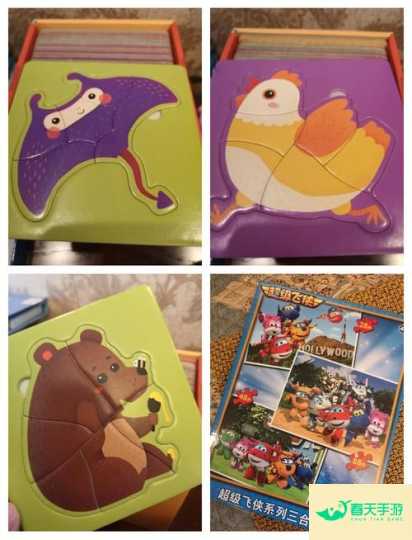
In the realm of leisure activities, few can match the charm and challenge of jigsaw puzzles. These intricate games of pieces and patterns have been captivating minds for centuries, and their influence can be seen in various cultures across the globe. As we delve into the English language, we find that jigsaw puzzles have left an indelible mark, enriching our vocabulary and understanding of various concepts. Let's embark on a journey through the world of jigsaw puzzles, exploring their significance and how they intertwine with the English language.
#### A Brief History of Jigsaw Puzzles
The concept of jigsaw puzzles dates back to the 1760s when John Spilsbury, an English mapmaker, created the first jigsaw puzzle by cutting intricate maps into pieces. Over the years, jigsaw puzzles have evolved from educational tools to a beloved pastime enjoyed by people of all ages. Today, jigsaw puzzles come in various themes, from nature and landscapes to abstract designs and famous artworks.
#### The English Vocabulary of Jigsaw Puzzles
As we explore the English language, we discover a plethora of words and phrases that are closely associated with jigsaw puzzles. Here are some key terms:
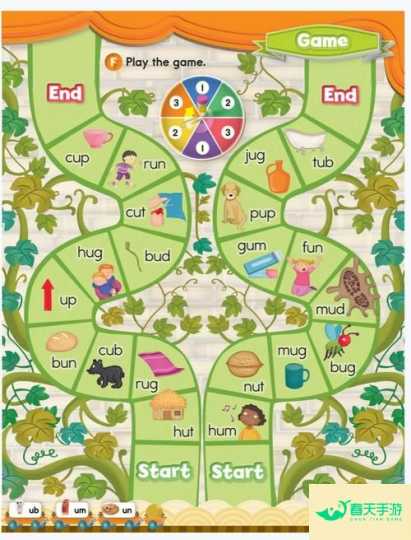
**Jigsaw Puzzle**: The term "jigsaw puzzle" itself is a compound noun, combining "jigsaw" and "puzzle." "Jigsaw" refers to a saw with a fine-toothed blade used for cutting intricate shapes, while "puzzle" denotes a game or task requiring ingenuity and patience to solve.
**Piece**: A "piece" is the individual part of a jigsaw puzzle that fits into a larger pattern or image. The word "piece" is derived from the Old French word "pièce," meaning a portion or a section.
**Pattern**: The "pattern" of a jigsaw puzzle is the overall design or image that is pieced together. It is derived from the Latin word "paterna," meaning a pattern or model.
**Interlocking**: "Interlocking" refers to the way the pieces of a jigsaw puzzle fit together securely. The word "interlock" comes from the Latin "interligare," meaning to bind together.
**Edge**: The "edge" of a jigsaw puzzle piece is the part that fits against the edges of other pieces. The word "edge" has Old English roots and means a line or boundary.
**Fit**: The act of a puzzle piece "fitting" together is essential for completing the puzzle. The word "fit" comes from the Old English word "fittan," meaning to make suitable or appropriate.
**Complexity**: "Complexity" describes the level of difficulty in a jigsaw puzzle. It is derived from the Latin word "complexus," meaning woven together or intertwined.
**Challenge**: Jigsaw puzzles provide a "challenge" to the solver. The word "challenge" has Old French origins and means to call forth or to test someone's ability.
#### The Art of Jigsaw Puzzling
The English language has also captured the essence of jigsaw puzzling through idiomatic expressions and metaphors. Here are a few examples:
**Piece together**: To put together the pieces of a puzzle. This phrase is often used to describe solving a mystery or understanding a complex situation.
**Work on something piece by piece**: To approach a task or problem gradually, focusing on one aspect at a time.
**A jigsaw of life**: A metaphorical way to describe the many different experiences and aspects that make up one's life.
#### The Benefits of Jigsaw Puzzles
Engaging with jigsaw puzzles in the English language has numerous benefits. Here are a few:
**Cognitive Development**: Jigsaw puzzles help improve cognitive skills such as problem-solving, spatial awareness, and memory.
**Stress Relief**: The focus and concentration required to complete a jigsaw puzzle can be a great way to unwind and reduce stress.
**Social Interaction**: Group jigsaw puzzles are a fun way to bond with friends and family, promoting communication and teamwork.
**Educational Tool**: For children, jigsaw puzzles can be an educational tool, helping them develop fine motor skills and learn about shapes, colors, and patterns.
In conclusion, the world of jigsaw puzzles is not only a source of entertainment and challenge but also a rich tapestry of English language vocabulary and expressions. Whether you're piecing together a beautiful landscape or working on a complex abstract design, the journey through a jigsaw puzzle is one that engages the mind, fosters creativity, and enhances language skills. So, grab a puzzle and let the English language guide you through this delightful adventure.
本文链接:https://www.x530.cn/gl/184248.html
复制本文链接游戏攻略文章为春天手游网所有,未经允许不得转载。